












Gynaecology at Allevia Hospitals
Gynaecology is the surgical specialty that treats conditions affecting the female reproductive system and pelvic organs. This includes the uterus, cervix, ovaries, fallopian tubes, vagina, vulva, bladder and pelvic floor. A gynaecology surgeon may help with heavy periods, abnormal bleeding, fibroids, ovarian cysts, endometriosis, pelvic pain, prolapse, urinary incontinence, infertility-related problems, abnormal cervical screening results and gynaecological cancer.
Patients are often referred by a general practitioner, midwife, fertility specialist, cancer specialist or another hospital team. Before surgery, you may have blood tests, pelvic ultrasound, MRI, CT scan, hysteroscopy, colposcopy, biopsy, urine tests or an anaesthetic assessment. Your specialist will explain the diagnosis, treatment options, expected benefits, possible risks and what recovery may involve.
Gynaecology operations range from small day procedures to major pelvic surgery. Common procedures include hysterectomy, myomectomy, laparoscopy, hysteroscopy, ovarian cyst removal, endometrial ablation, prolapse repair, incontinence surgery, vulval surgery and surgery for endometriosis or cancer. Some operations are open, while many can be done using minimally invasive, keyhole, laparoscopic, hysteroscopic, vaginal or robotic techniques.
Recovery depends on the condition, operation, age, general health and whether the surgery is planned or urgent. Some patients go home the same day, while others need a hospital stay. After surgery, you may need pain relief, wound care, pelvic rest, bladder care, bowel support, physiotherapy, blood clot prevention and follow-up appointments. Like all surgery, gynaecology surgery has risks, including bleeding, infection, injury to nearby organs, blood clots, pain, scarring, anaesthetic risks and the need for further treatment. The aim is to improve symptoms, diagnose disease, treat cancer, protect fertility where possible and support better quality of life.
Gynaecology Surgical Subspecialties
General gynaecology surgery: General gynaecology surgery treats common conditions such as heavy periods, abnormal bleeding, fibroids, ovarian cysts, pelvic pain, infections, benign uterine problems, and cancer. Procedures may include hysteroscopy, laparoscopy, hysterectomy, myomectomy, endometrial ablation and ovarian surgery. The goal is safe treatment, symptom relief and clear diagnosis.
Minimally invasive and robotic gynaecologic surgery: Minimally invasive surgery treats conditions such as endometriosis, fibroids, ovarian cysts, adhesions and abnormal bleeding through small incisions or natural openings, rather than a large cut. Approaches include laparoscopic (keyhole), hysteroscopic and robotic-assisted surgery. Robotic surgery gives the surgeon a magnified 3D view and precise instruments, which can help in complex cases. Benefits may include less pain, smaller scars, a shorter hospital stay and faster recovery.
Gynaecologic oncology: Gynaecologic oncology focuses on cancers and pre-cancers of the cervix, uterus, ovaries, fallopian tubes, vagina and vulva. Surgeons may perform biopsies, staging surgery, hysterectomy, lymph node surgery or cancer removal. Care often includes chemotherapy, radiation oncology, imaging, pathology and specialist cancer nurses.
Urogynaecology and pelvic floor surgery: Urogynaecology treats pelvic floor problems such as bladder leakage, stress urinary incontinence, urgency, pelvic organ prolapse, vaginal prolapse and fistula. Treatment may include pelvic floor physiotherapy, pessaries, medicines or surgery. Procedures can involve prolapse repair, incontinence sling surgery, vaginal surgery or laparoscopic reconstruction.
Reproductive endocrinology and infertility surgery: This subspecialty helps people with fertility, hormones and reproductive health concerns. Surgery may treat endometriosis, fibroids, ovarian cysts, blocked fallopian tubes, uterine septum, adhesions or polyps. Care may be linked with ovulation treatment, in vitro fertilisation, fertility preservation and planning for future pregnancy.
Endometriosis and chronic pelvic pain surgery: Endometriosis surgery treats tissue similar to the uterine lining growing outside the uterus. It may cause pelvic pain, painful periods, bowel or bladder symptoms and fertility problems. Surgery can remove or reduce endometriosis, cysts and adhesions, sometimes with colorectal, urology or pain specialists.
Colposcopy and cervical surgery: Colposcopy and cervical surgery investigate and treat abnormal cervical screening results, HPV-related changes and pre-cancer cells. Procedures may include colposcopy, cervical biopsy, LLETZ or cone biopsy. The aim is to prevent cervical cancer while protecting future pregnancy health whenever possible.
Menopause, vulval and lower genital tract surgery: This area manages menopausal symptoms, vulval skin conditions, vaginal problems and lower genital tract disorders that may need procedures. Surgery can include vulval biopsy, removal of painful lesions, treatment of cysts, vaginal reconstruction or care for scarring. Treatment is usually combined with medical, hormonal or skin care.
Common Gynaecological Surgery Questions
What is gynaecology surgery?
What is gynaecology surgery?
Gynaecology surgery is surgery for conditions affecting the uterus, cervix, ovaries, fallopian tubes, vagina, vulva, bladder or pelvic floor. It may treat pain, bleeding, fibroids, cysts, prolapse, incontinence, infertility-related problems, endometriosis or gynaecological cancer.
Why have I been referred to a gynaecologist or gynaecology surgeon?
Why have I been referred to a gynaecologist or gynaecology surgeon?
You may be referred because symptoms, scans, screening tests or examination findings suggest you need specialist advice, further tests or possible surgery. Your appointment helps confirm the diagnosis and discuss treatment options.
What tests might I need before gynaecology surgery?
What tests might I need before gynaecology surgery?
You may need blood tests, pregnancy test, urine test, pelvic ultrasound, MRI, CT scan, hysteroscopy, colposcopy, biopsy, cervical screening review or anaesthetic assessment. These tests help plan the safest operation and recovery.
What is the difference between open, keyhole, vaginal and hysteroscopic surgery?
What is the difference between open, keyhole, vaginal and hysteroscopic surgery?
hysteroscopic surgery? Open surgery uses a larger cut. Keyhole or laparoscopic surgery uses small cuts and a camera. Robotic-assisted surgery is a form of keyhole surgery where the surgeon controls precise robotic instruments from a console. Vaginal surgery is performed through the vagina. Hysteroscopic surgery uses a thin camera through the cervix to treat problems inside the uterus.
Will I definitely need an operation?
Will I definitely need an operation?
Not always. Some gynaecology conditions can be treated with medicines, hormone treatment, physiotherapy, lifestyle changes, monitoring or minor procedures. Surgery is recommended only when it is likely to help and the benefits outweigh the risks.
How long will I stay in hospital after gynaecological surgery?
How long will I stay in hospital after gynaecological surgery?
This depends on the operation and your health. Some procedures, such as hysteroscopy or minor laparoscopy, may be day surgery. Larger operations, such as hysterectomy, cancer surgery or complex pelvic surgery, may require several nights in hospital.
How painful is recovery after gynaecology surgery?
How painful is recovery after gynaecology surgery?
Pain varies by procedure. Most patients receive a pain relief plan and advice on movement, rest and wound care. Keyhole surgery often has a shorter recovery than open surgery, but everyone heals at a different pace.
What are the risks of gynaecological surgery?
What are the risks of gynaecological surgery?
Possible risks include bleeding, infection, blood clots, anaesthetic problems, pain, scarring, injury to the bladder, bowel, ureters or blood vessels, and the need for further surgery. Your surgeon will explain your personal risks before consent.
Will gynaecological surgery surgery affect my fertility, periods or menopause?
Will gynaecological surgery surgery affect my fertility, periods or menopause?
It may, depending on the procedure. Some operations aim to protect fertility, while others can affect periods, fertility or hormones. Your surgeon will discuss how your operation may affect you before you decide on treatment.
How should I prepare for gynaecological surgery?
How should I prepare for gynaecological surgery?
Follow instructions about fasting, medicines, blood thinners, smoking, alcohol, transport home and support after discharge. Bring your medicine list and questions. Before your operation, tell your team about any allergies, previous surgery or new symptoms, and if you are or could be pregnant, or are planning a pregnancy.
Our Gynaecology specialists
-
 Padmaja KoyaGynaecologist & Laparoscopic Surgeon
 -
 Martin SowterObstetrician and Gynaecologist
 -
 Neil JohnsonGynaecologist and Fertility Specialist
 -
 Anil SharmaGynaecologist
 -
 Simon EdmondsGynaecologist
 -
 Douglas BarclayGynaecological Surgeon
 -
 Anna BashfordFertility Specialist & Gynaecologist
 -
 Olivia StuartFertility Subspecialist, Obstetrician & Gynaecologist
 -
 Michael EastGynaecologist, Laparoscopic & Hysteroscopic Surgeon
 -
 Anna-Marie Van Der MerweObstetrician & Gynaecologist
 -
 Phill McChesneyObstetrician & Gynaecologist
 -
 Prathima ChowdaryGynaecologist & Endometriosis Specialist
 -
 Michael Wynn-WilliamsGynaecologist, Advanced Laparoscopic Surgeon
 -
 Praveen De SilvaGynaecologist and Endometriosis Surgeon
 -
 Amelia RyanObstetrician and Gynaecologist
-
 Dionne Mills-SillikGynaecologist
 -
 Carolyn BilbroughObstetrician & Gynaecologist with a special interest in Urogynaecology
 -
 Fiona ConnellGynaecologist
 -
 Sarah FitzgibbonSpecialist Gynaecologist
 -
 Sarah CorbettGynaecologist
 -
 Jessica DunningGynaecologist
 -
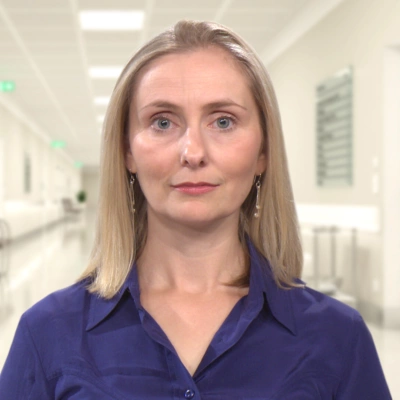 Joy MarriottGynaecologist
 -
 Louise TomlinsonGynaecologist
 -
 Lulu van EedenGynaecologist
 -
 Silipa NaiqisoGynaecologist Oncologist
 -
 Timothy DawsonUrogynaecologist
 -
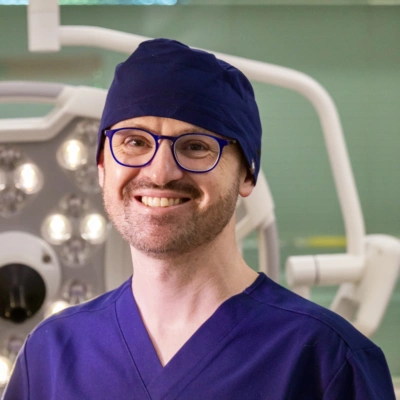 Sam HolfordGynaecologist & Advanced Laparoscopic Surgeon
 -
 Anna BrownsonGynaecologist & Advanced Laparoscopic Surgeon
 -
 Guy FisherSpecialist Gynaecologist & Advanced Laparoscopic Surgeon
 -
 Angela CrossGynaecologist, Obstetrician &Gynaecologist, Gynaecologist and Gynaecological Surgeon
 -