












What is General Surgery?
General surgery is a broad surgical specialty that diagnoses, treats and manages many common problems inside the abdomen, digestive system, skin, soft tissue, breast and endocrine glands. A general surgeon may care for patients with hernias, gallstones, appendicitis, bowel obstruction, diverticulitis, inflammatory bowel disease, colon cancer, breast lumps, thyroid nodules, skin lesions, abscesses, trauma injuries and emergency abdominal pain. General surgeons are trained to assess symptoms, arrange tests, explain treatment options and perform operations when surgery is the safest or most effective choice.
Not every visit to a general surgeon means you will need an operation. Some conditions can be managed with medicines, monitoring, lifestyle changes, wound care, diet advice, imaging or referral to another specialist. If surgery is recommended, your surgeon will discuss the reason for the procedure, expected benefits, possible risks, anaesthetic plan, recovery time and follow-up. Many general surgery procedures are now performed using minimally invasive keyhole surgery, also called laparoscopic surgery, which may mean smaller cuts, less pain and a faster return to normal activities.
At your first appointment, the team may ask about your symptoms, medical history, medicines, allergies, previous operations, family history and general health. They may examine the area of concern and arrange blood tests, ultrasound, CT scan, MRI, endoscopy, colonoscopy, biopsy or other investigations. These tests help confirm the diagnosis and guide the best treatment plan.
General Surgery Subspecialties
Colorectal Surgery
Colorectal Surgery
Colorectal surgeons treat problems of the colon, rectum and anus, including bowel cancer, diverticular disease, inflammatory bowel disease, haemorrhoids, anal fissures, fistulas and bowel obstruction. Care may include colonoscopy, keyhole bowel surgery, stoma formation, cancer surgery, pelvic floor treatment and follow-up to support bowel health and recovery.
Upper Gastrointestinal Surgery
Upper Gastrointestinal Surgery
Upper GI surgeons treat the oesophagus, stomach and first part of the small bowel. Common conditions include reflux disease, hiatus hernia, stomach ulcers, swallowing problems and upper gastrointestinal cancer. Treatment may include endoscopy, anti-reflux surgery, hernia repair, cancer surgery, nutritional support and careful planning for safe digestion after surgery.
Hepatobiliary and Pancreatic (HPB) Surgery
Hepatobiliary and Pancreatic (HPB) Surgery
HPB surgeons treat the liver, gallbladder, bile ducts and pancreas. Patients may need care for gallstones, bile duct blockage, pancreatitis, liver cysts, pancreatic cysts, liver cancer or pancreatic cancer. Procedures can include gallbladder removal, bile duct surgery, liver resection, pancreatic surgery, biopsy and cancer-focused multidisciplinary care.
Breast Surgery
Breast Surgery
Breast surgeons assess breast lumps, breast pain, nipple changes, abnormal mammograms and breast cancer. Care may include imaging, biopsy, lumpectomy, mastectomy, sentinel node biopsy, lymph node surgery and reconstruction planning. They work closely with oncology teams to guide chemotherapy, radiotherapy, hormone therapy and long-term breast cancer follow-up.
Endocrine Surgery
Endocrine Surgery
Endocrine surgeons treat hormone-producing glands, especially the thyroid, parathyroid and adrenal glands. Patients may be seen for thyroid nodules, goitre, thyroid cancer, overactive thyroid, high calcium, parathyroid disease or adrenal tumours. Treatment may include biopsy, blood tests, thyroidectomy, parathyroidectomy or adrenal surgery.
Hernia and Abdominal Wall Surgery
Hernia and Abdominal Wall Surgery
Hernia surgeons repair weak areas in the abdominal wall, including inguinal hernia, femoral hernia, umbilical hernia, incisional hernia and complex abdominal wall hernias. Treatment may involve watchful waiting, open repair, laparoscopic repair, mesh repair and advice about lifting, pain control, recurrence risk and recovery.
Minimally Invasive and Laparoscopic Surgery
Minimally Invasive and Laparoscopic Surgery
Minimally invasive surgeons use small cuts, a camera and fine instruments to perform operations such as gallbladder removal, hernia repair, bowel surgery and anti-reflux surgery. Benefits may include smaller scars, less pain, shorter hospital stays and faster recovery, although open surgery is sometimes safer or necessary.
Bariatric and Metabolic Surgery
Bariatric and Metabolic Surgery
Bariatric surgeons treat severe obesity and weight-related conditions such as type 2 diabetes, sleep apnoea, high blood pressure and fatty liver disease. Procedures may include sleeve gastrectomy, gastric bypass or revision surgery. Care includes dietitian support, psychological assessment, long-term nutrition monitoring and lifestyle planning.
Surgical Oncology
Surgical Oncology
Surgical oncologists focus on cancer operations, including cancers of the bowel, stomach, pancreas, liver, breast, skin, soft tissue and endocrine glands. They remove tumours when appropriate, help stage cancer, take biopsies and work with chemotherapy, radiotherapy, pathology and imaging teams to plan complete cancer treatment.
Frequently Asked Questions
What does a general surgeon do?
What does a general surgeon do?
A general surgeon diagnoses and treats many conditions affecting the abdomen, digestive system, breast, skin, soft tissue and endocrine glands, including hernias, gallstones, appendicitis, bowel problems, lumps, infections, wounds and some cancers.
Does seeing a general surgeon mean I need an operation?
Does seeing a general surgeon mean I need an operation?
No. Your surgeon may recommend monitoring, medicines, scans, wound care, lifestyle changes or referral to another specialist. Surgery is suggested when it is likely to improve symptoms, prevent complications or treat disease.
What is keyhole or laparoscopic surgery?
What is keyhole or laparoscopic surgery?
Keyhole surgery uses small cuts, a camera and fine instruments to perform an operation. It is common for gallbladder surgery, hernia repair and some bowel operations. It may reduce pain, scarring and recovery time.
What tests might I need before surgery?
What tests might I need before surgery?
Tests depend on your symptoms and may include blood tests, urine tests, ultrasound, CT scan, MRI, X-ray, endoscopy, colonoscopy, biopsy, heart tracing or anaesthetic assessment to plan safe treatment.
How long will recovery take?
How long will recovery take?
Recovery depends on the operation, your health and whether surgery is planned or emergency. Some day surgery patients go home the same day, while major bowel, cancer or trauma surgery may require a longer hospital stay.
What are the risks of general surgery?
What are the risks of general surgery?
All operations have possible risks, such as bleeding, infection, blood clots, pain, scarring, anaesthetic complications or the need for further surgery. Your surgeon will explain the risks that matter most for your procedure.
What should I bring to my appointment?
What should I bring to my appointment?
Bring your referral, medication list, allergies, previous operation details, scan reports, blood test results, family history, symptom timeline and any questions about diagnosis, treatment options, recovery, time off work and follow-up.
When should I seek urgent help after surgery?
When should I seek urgent help after surgery?
Seek urgent medical advice for fever, worsening pain, heavy bleeding, chest pain, shortness of breath, calf swelling, vomiting, wound redness, pus, wound opening, confusion, fainting or symptoms your discharge instructions say are urgent.
How can I prepare for surgery?
How can I prepare for surgery?
Follow fasting instructions, stop smoking if possible, keep active, control diabetes, discuss blood thinners, arrange transport home, plan help at home and ask your team which medicines to take on the day of surgery.
Our General Surgery specialists
-
 Russell BourchierVascular Surgeon
 -
 Peter Vann (Vanniasingham)Vascular Surgeon
 -
 Ashish TanejaConsultant Trauma and Emergency General Surgeon
 -
 Li HseeGeneral Surgeon
 -
 Savitha BhagvanGeneral, Trauma, and Acute Care Surgeon
 -
 Eletha TaylorGeneral, Melanoma and Breast Surgeon
 -
 Isaac CranshawGeneral Surgeon
 -
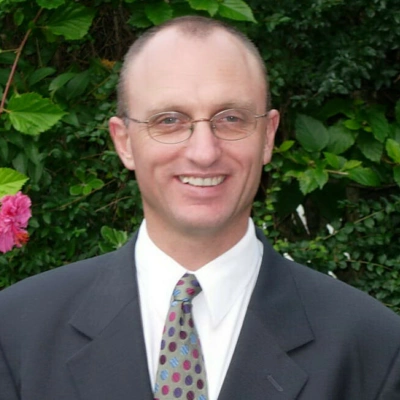 Lincoln IsraelGeneral and Colorectal Surgeon
 -
 Magdalena BiggarBreast, Endocrine, and General Surgeon
 -
 Wayne JonesBreast, Endocrine, and General Surgeon
 -
 Habib RahmanGeneral and Bariatric Surgeon
 -
 Angela BaylyGeneral, Upper GI, and Bariatric Surgeon
 -
 Arend MerrieGeneral and Colorectal Surgeon
 -
 Grant BebanBariatric, Upper GI, and General Surgeon
 -
 Nagham Al-MozanyGeneral and Colorectal Surgeon
 -
 Nicholas EvennettBariatric, Upper GI, and General Surgeon
-
 Peter Carr-BoydGeneral, Upper Gastrointestinal, Hepatobiliary and Pancreatic Surgeon
 -
 Richard BaborGeneral, Upper GI, and Bariatric Surgeon
 -
 Sze-Lin PengColorectal and General Surgeon
 -
 Adam BartlettGeneral, Hepato-Pancreatico-Biliary (HPB), Laparoscopic, and Robotic Surgeon
 -
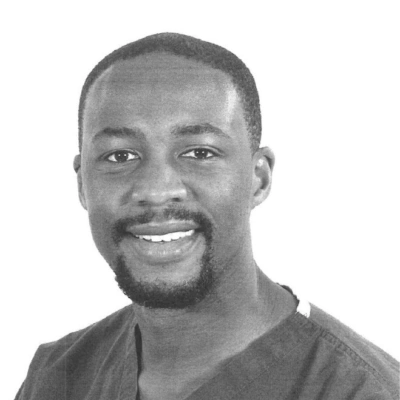 Wal (Wasilwa) BarazaGeneral and Colorectal Surgeon
 -
 Alexander NgGeneral, Breast, and Melanoma Surgeon
 -
 Rachael Tucker (Flanagan)Breast and General Surgeon
 -
 Philip AllenColorectal and General Surgeon
 -
 Julian HayesGeneral and Colorectal Surgeon
 -
 Rowan CollinsonColorectal and General Surgeon
 -
 Michael ChuGeneral, HPB, and Laparoscopic Surgeon
 -
 Parry (Primal) SinghColorectal and General Surgeon
 -
 Jon BarnardColorectal Surgeon
 -
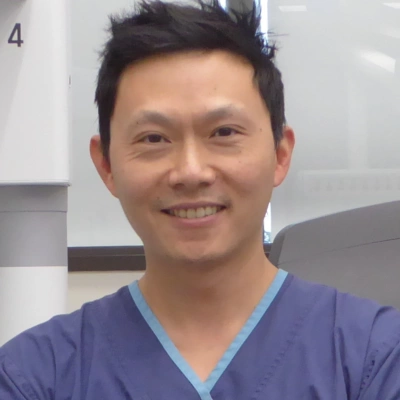 Universe LeungGeneral and Upper Gastrointestinal Surgeon
 -
 Carla PajakBreast, Endocrine, Sarcoma and General Surgeon, Orthopaedic Surgeon