

What is Orthopaedics?
Orthopaedic surgery, also called orthopaedics, is the medical specialty that diagnoses, treats, and helps prevent problems affecting the musculoskeletal system. This includes the bones, joints, muscles, ligaments, tendons, cartilage, nerves, and spine. Orthopaedic surgeons care for people of all ages, from children with growth or limb conditions to adults with sports injuries, arthritis, fractures, back pain, joint pain, or injuries from accidents.
Seeing an orthopaedic specialist does not always mean you need surgery. Many orthopaedic conditions can be treated with non-surgical options such as physiotherapy, exercise plans, pain relief medicines, anti-inflammatory medication, splints, braces, casts, injections, lifestyle changes, or rehabilitation. If these treatments do not improve pain, movement, strength, or quality of life, surgery may be discussed as one option.
Common orthopaedic surgery procedures include joint replacement, fracture repair, arthroscopy, ligament reconstruction, tendon repair, spine surgery, and treatment for bone or soft tissue tumours. Your care may involve X-rays, MRI scans, CT scans, blood tests, physical examination, and a personalised treatment plan. The aim is usually to reduce pain, restore movement, improve function, support healing, and help you return safely to everyday activities, work, sport, and independence.
Orthopaedic Subspecialties
Hip Surgery and Hip Replacement
Hip Surgery and Hip Replacement
Hip surgeons treat arthritis, hip pain, fractures, deformity, and problems with previous hip replacements. Treatment may include non-surgical care, hip arthroscopy, joint-preserving procedures, total or partial hip replacement, or revision hip replacement. The goal is to reduce pain, improve mobility, and help people return safely to everyday activities.
Knee Surgery and Knee Replacement
Knee Surgery and Knee Replacement
Knee surgeons treat arthritis, knee pain, ligament injuries, meniscus tears, kneecap problems, sports injuries, and problems with previous knee replacements. Treatment may include physiotherapy, injections, arthroscopy, ligament reconstruction, total or partial knee replacement, or revision knee replacement. The aim is to reduce pain, restore movement, improve function, and support return to work, sport, and daily life.
Foot and Ankle Surgery
Foot and Ankle Surgery
Foot and ankle orthopaedic surgeons treat arthritis, tendon injuries, ankle instability, fractures, flatfoot and congenital problems, bunions, diabetic foot problems, and sports injuries. Treatment may include orthotics, footwear advice, injections, keyhole surgery, fusion or stabilisation, or reconstruction to reduce pain and improve standing, walking, balance, and activity.
Hand and Wrist Surgery
Hand and Wrist Surgery
Hand and wrist surgeons treat carpal tunnel syndrome, trigger finger, tendon injuries, fractures, arthritis, nerve problems, and ligament injuries. They focus on pain relief, grip strength, sensation, and fine movement. Care may involve splints, injections, hand therapy, microsurgery, fracture fixation, or tendon and nerve repair.
Shoulder and Elbow Surgery
Shoulder and Elbow Surgery
This area treats rotator cuff tears, shoulder arthritis, dislocations, frozen shoulder, elbow arthritis, tennis elbow, fractures, and tendon injuries. Treatment may include physiotherapy, injections, arthroscopy, tendon repair, shoulder replacement, or fracture surgery to improve comfort, movement, lifting, reaching, and daily function.
Spine Surgery
Spine Surgery
Orthopaedic spine surgeons treat back pain, neck pain, slipped discs, spinal stenosis, sciatica, scoliosis, fractures, and nerve compression. Most patients start with non-surgical care. Surgery may be considered when pain, weakness, numbness, walking problems, or spinal instability do not improve enough.
Sports Medicine and Sports Injury Surgery
Sports Medicine and Sports Injury Surgery
Our specialists treat injuries from sport, exercise, and active lifestyles, including ACL and other ligament tears, meniscus injuries, shoulder instability, tendon problems, and cartilage damage. Surgical treatments include arthroscopy (keyhole surgery), ligament reconstruction, and tendon repair, followed by a personalised rehabilitation plan to restore strength, stability, and confidence. Where appropriate, non-surgical management is also available.
Fracture and Reconstruction Surgery
Fracture and Reconstruction Surgery
Broken bones, dislocations, and injuries to bones, joints, and soft tissues can result from falls, sport, and accidents. Care ranges from simple fracture management to complex reconstruction where bones or joints need to be rebuilt or realigned to restore stability and function. The aim is to support healing, reduce pain, prevent long-term problems, and help you return to movement and independence.
Paediatric Orthopaedic Surgery
Paediatric Orthopaedic Surgery
Paediatric orthopaedic surgeons treat babies, children, and teenagers with bone, joint, muscle, spine, and growth conditions. Examples include clubfoot, hip dysplasia, scoliosis, limb differences, fractures, sports injuries, and walking concerns. Treatment is designed around growth, development, family needs, and long-term function.
Musculoskeletal Oncology (Bone and Soft Tissue Tumours)
Musculoskeletal Oncology (Bone and Soft Tissue Tumours)
Musculoskeletal oncology focuses on bone tumours, soft tissue tumours, sarcoma, and cancer that has spread to bone. Specialists work with cancer teams to diagnose, remove, reconstruct, or stabilise affected bones and tissues. The goal is cancer control, pain relief, mobility, and quality of life.
General Orthopaedics
General Orthopaedics
General orthopaedic surgeons assess and treat a wide range of bone, joint, muscle, tendon, ligament, and nerve problems. They often manage common fractures, arthritis, joint pain, sprains, back or neck concerns, and injuries.
Frequently Asked Questions
What does an orthopaedic surgeon treat?
What does an orthopaedic surgeon treat?
An orthopaedic surgeon treats bones, joints, muscles, ligaments, tendons, nerves, and spine problems, including arthritis, fractures, sports injuries, back pain, joint pain, and movement difficulties.
Will I definitely need surgery?
Will I definitely need surgery?
No. Many orthopaedic conditions improve with physiotherapy, exercise, medication, injections, braces, casts, weight management, or rehabilitation. Surgery is usually considered when non-surgical treatment does not give enough relief.
When should I see an orthopaedic specialist?
When should I see an orthopaedic specialist?
Consider an appointment if pain, swelling, stiffness, weakness, numbness, injury, or reduced movement does not improve, affects sleep, limits walking, work, sport, or daily activities, or follows a significant fall or accident.
What happens at my first appointment?
What happens at my first appointment?
Your specialist will ask about symptoms, medical history, medicines, previous injuries, and goals. They may examine the painful area and arrange X-rays, MRI, CT scan, ultrasound, blood tests, or a treatment plan.
Why do I need X-rays if I already had an MRI?
Why do I need X-rays if I already had an MRI?
X-rays show bones, alignment, arthritis, fractures, and joint spacing. MRI scans show soft tissues such as ligaments, tendons, cartilage, discs, and muscles. Both can help build a complete diagnosis.
How do I prepare for orthopaedic surgery?
How do I prepare for orthopaedic surgery?
Follow your hospital instructions, review medicines, stop smoking if possible, plan transport and home support, arrange time off work, prepare your home, and ask about fasting, anaesthesia, pain relief, and recovery.
How painful is orthopaedic surgery recovery?
How painful is orthopaedic surgery recovery?
Some pain is expected, but your team will plan pain relief using medicines, ice, elevation, movement, and rehabilitation. Pain should gradually improve. Report severe, worsening, or unexpected pain promptly.
Will I need physiotherapy before or after treatment?
Will I need physiotherapy before or after treatment?
Often, yes. Before surgery, physiotherapy (sometimes called pre-habilitation) can build strength and movement to support a smoother recovery. Afterwards, it helps restore movement, strength, balance, flexibility, walking, and confidence. Physiotherapy is important around many injuries, joint replacements, ligament repairs, spine procedures, and non-surgical treatment plans.
How long does recovery take?
How long does recovery take?
Recovery depends on the condition, procedure, age, general health, fitness, and rehabilitation. Minor injuries may improve in weeks, while joint replacement, fracture repair, or major spine surgery may take weeks to months.
What warning signs should I report after surgery?
What warning signs should I report after surgery?
Contact your care team urgently for fever, increasing redness, wound leakage, chest pain, shortness of breath, calf swelling, severe pain, new numbness or weakness, or any concern that feels unsafe.
Our Orthopaedic specialists
-
 Michael BarnesSpine Surgeon Specialist
 -
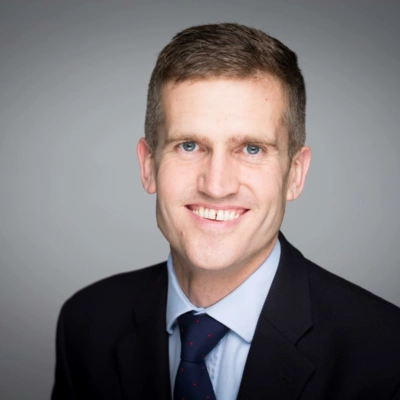 Paul MonkOrthopaedic Surgeon
 -
 Mark WrightOrthopaedic Surgeon
 -
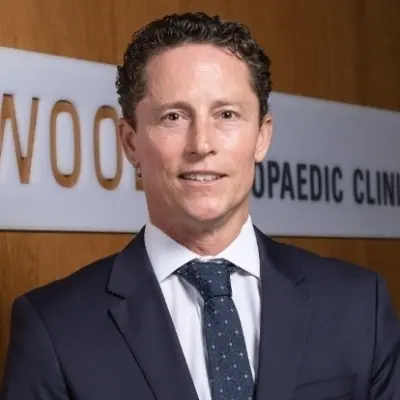 Duncan FergusonOrthopaedic Surgeon
 -
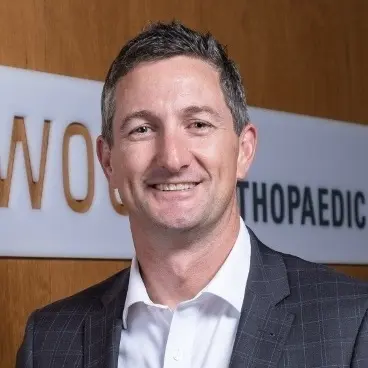 Jacob MunroOrthopaedic Surgeon
 -
 Andrew JohnstonOrthopaedic Surgeon
 -
 Andrew GraydonPaediatric Orthopaedic Surgeon
 -
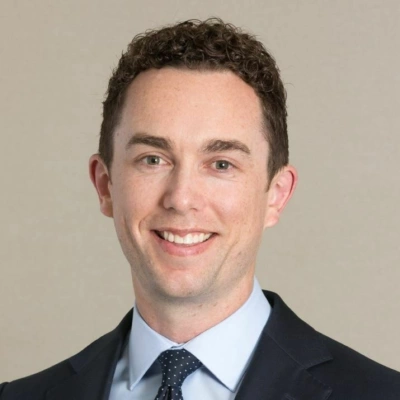 Matthew BoyleOrthopaedic Surgeon
 -
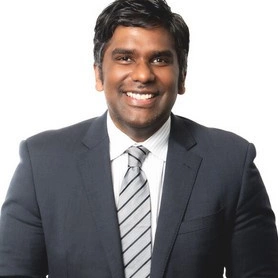 Suren SenthiOrthopaedic Surgeon
 -
 Anand SegarSpinal Surgeon
 -
 Matthew TomlinsonOrthopaedic Surgeon
 -
 Peter RobertsonOrthopaedic Spinal Surgeon
 -
 Rupesh PunaOrthopaedic Surgeon
 -
 Kevin KarpikOrthopaedic Surgeon
 -
 Alastair HadlowOrthopaedic and Spinal Surgeon
 -
 Adam DalgleishOrthopaedic Surgeon
 -
 Craig BallOrthopaedic Surgeon
 -
 Clayton ChanOrthopaedic Surgeon
 -
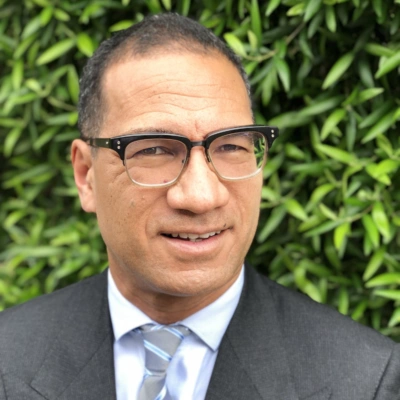 Janus SchaumkelOrthopaedic Surgeon
 -
 Adam DurrantOrthopaedic Surgeon
 -
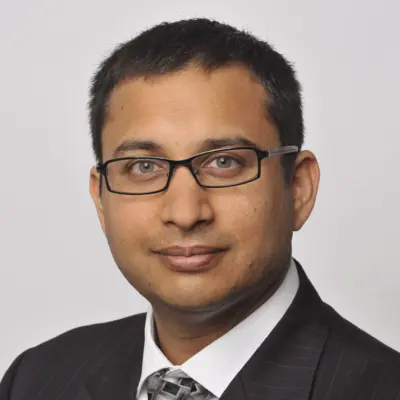 Dean MistryOrthopaedic Spine Surgeon
 -
 Michael CaugheyOrthopaedic Surgeon
 -
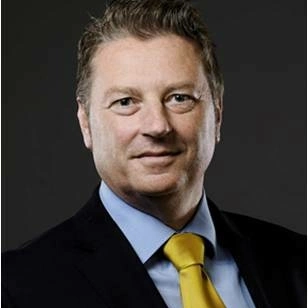 Clayton BrownOrthopaedic Surgeon
 -
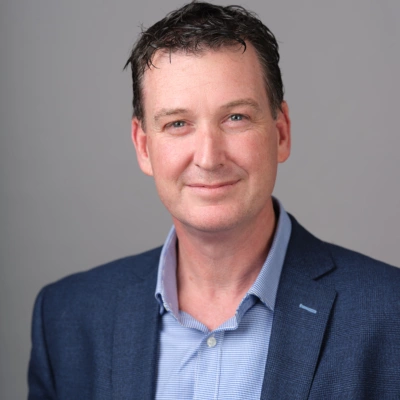 Peter HuckerOrthopaedic Surgeon
 -
 Rocco PittoOrthopaedic Surgeon
 -
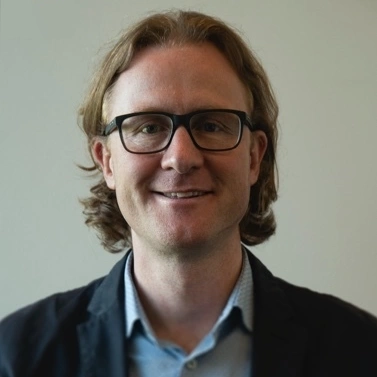 Matt DebenhamOrthopaedic Surgeon
 -
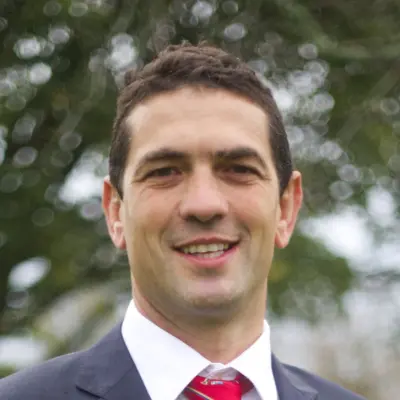 Chris FougereOrthopaedic Surgeon
-
 Nick GormackOrthopaedic Surgeon
 -
 Charlotte AllenOrthopaedic Surgeon
 -
 Mark ClatworthyOrthopaedic Knee Surgeon
 -
 Haemish CrawfordOrthopaedic Surgeon
 -
 Simon MillsOrthopaedic Surgeon
 -
 Michael FosterOrthopaedic Surgeon
 -
 Ivan SpikaOrthopaedic Surgeon
 -
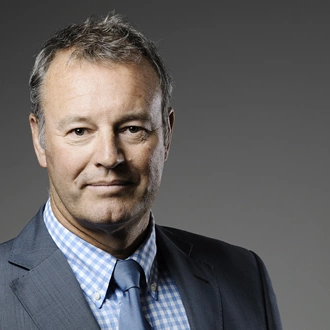 Michael HanlonKnee & Tumour Surgeon
 -
 Hugh BlackleyOrthopaedic Surgeon
 -
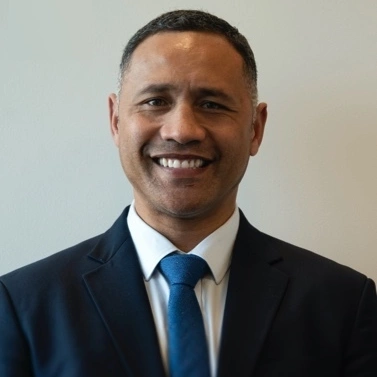 Jeremy StanleyOrthopaedic Surgeon
 -
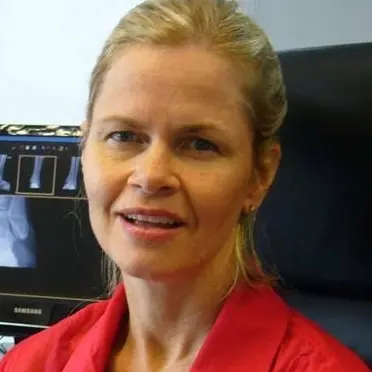 Helen RawlinsonOrthopaedic Surgeon
 -
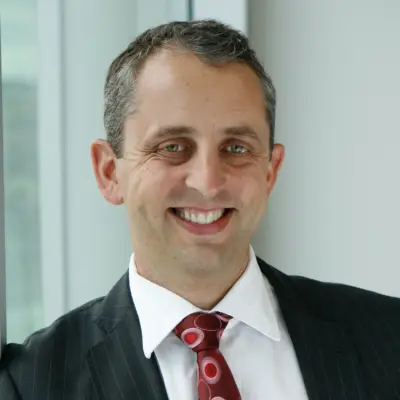 Angus DonSpine & Orthopaedic Surgeon
 -
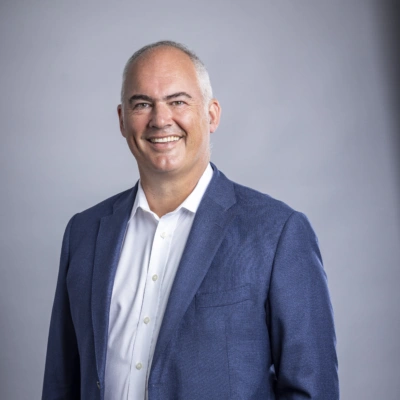 Antony FieldOrthopaedic Spine Surgeon
 -
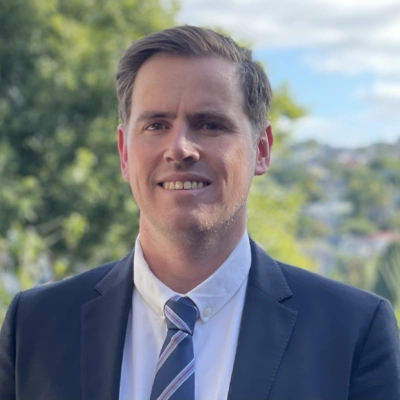 John EnglishOrthopaedic Surgeon
 -
 Brendan ColemanOrthopaedic Surgeon
 -
 Jarome BentleyOrthopaedic Surgeon
 -
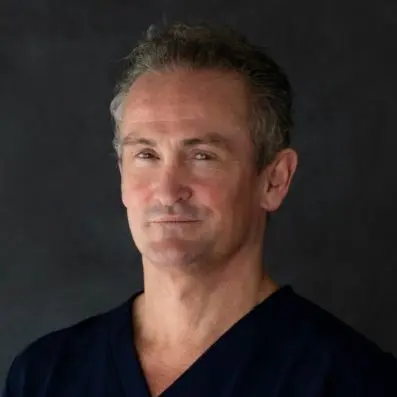 John FergusonOrthopaedic Spinal Surgeon
 -
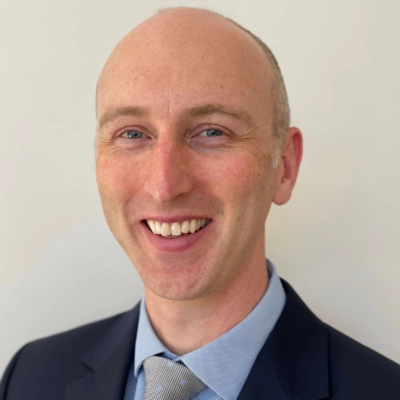 Andrew IrvingOrthopaedic Spine Surgeon
 -
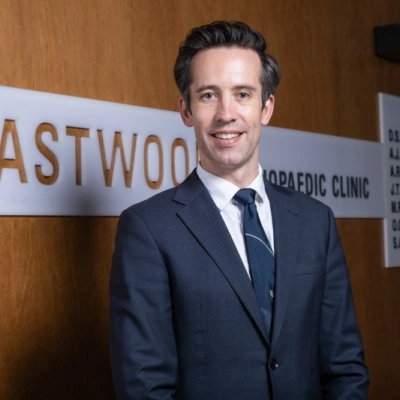 Otis ShirleyAdult and Paediatric Orthopaedic Spine Surgeon
 -
 Shaneel DeoOrthopaedic Surgeon
 -
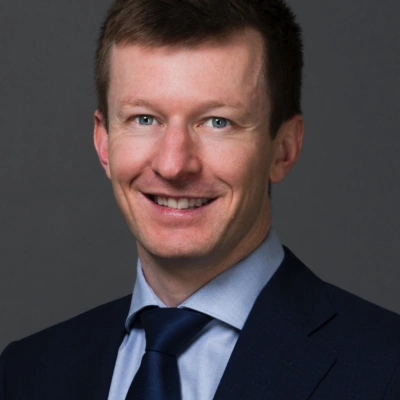 Thomas MaxwellHand, Wrist, and Elbow Surgeon
 -
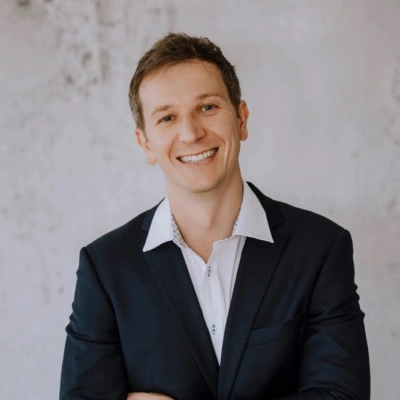 Timothy RobertsOrthopaedic Surgeon
 -
 James RecordonOrthopaedic Surgeon
 -
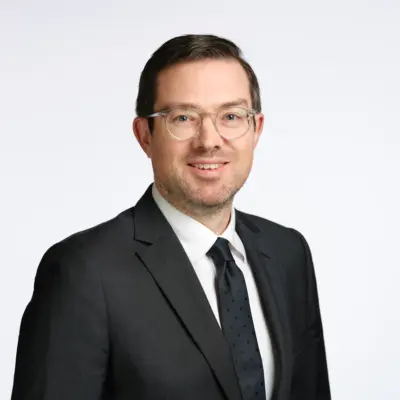 David MorleyHip, Knee & Trauma Orthopaedic Surgeon
 -
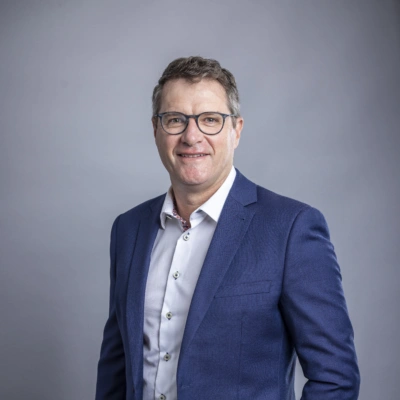 Michael FlintOrthopaedic Surgeon, Joint Replacement & Tumours
 -
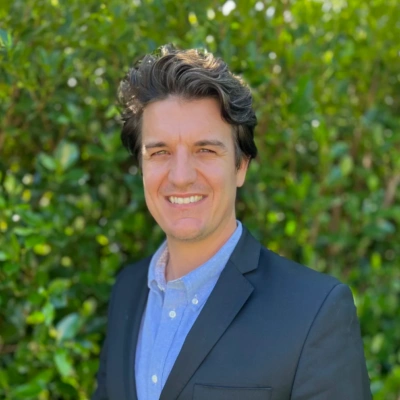 Timothy GodwinOrthopaedic surgeon