




During your procedure you will be given sedation. It is important that you arrange for someone to drive you home following your procedure. You are not permitted, by law, to drive yourself. For safety reasons, if you are travelling on public transport, or in a taxi, please arrange for a support person to travel with you.
What is a Gastroscopy?
A gastroscopy is a visual examination of the lining of the oesophagus, stomach and duodenum (first part of your intestine). A flexible tube (about the thickness of a ball point pen) is passed through your mouth and into the stomach. The tube will not interfere with your breathing. A small video camera, which can take photos, sends an image onto a video screen. The doctor can look for any abnormalities and if necessary biopsies (small tissue samples) can be painlessly taken for laboratory testing. Other procedures to treat specific conditions can be done through the endoscope.
These include:
- Stretching (dilating) the narrowed areas of the oesophagus, stomach or duodenum.
- Removing polyps and swallowed objects.
- Treatment of bleeding vessels and ulcers by internal injection or diathermy.
You may be referred for a gastroscopy to investigate:
- Indigestion, heartburn, or reflux.
- Bleeding or anaemia.
- Nausea.
- Swallowing difficulties.
- Pain or abdominal discomfort.
Procedure
Your medical history will be recorded and you will be given the opportunity to view an information DVD. You will be asked to sign a consent form indicating that you understand the test and risks involved with the procedure. The procedure is usually done with intravenous sedation, but can be performed without, after discussion with your Endoscopist, if this is your choice. If your Doctor plans to give you sedation for the procedure you will need to fast which will require no food for 6 hours and no liquids for 2 hours prior to the procedure. Local anaesthetic will be sprayed on to your throat to make it numb and to prevent gagging. You may be given medication into a vein to make you sleepy and relaxed. A small clip on your finger will monitor your heart rate and oxygen levels. The doctor will pass the endoscope through a mouthguard, which protects your teeth. Dentures may need to be removed. If required, it may be necessary to hold your hands ensuring your safety during the procedure. The examination takes between 10 to 20 minutes.
After the test
If spray has been used, your throat may feel numb and slightly sore. You will be offered light refreshments (please advise of any special dietary requests) and remain in the clinic for approximately two hours from your appointment time. Your doctor will discuss the procedure with you and you will be given a written discharge information sheet. Due to the possible amnesic effects of the sedation, you may wish to have a support person with you when the doctor gives you the results. The report and results of any biopsies will be sent to your specialist and/or family doctor who referred you for the test.
Sedation
Sedation is generally used during the procedure. It is important that you do not drive or operate machinery for 12 hours after your procedure. Your expected time of stay in hospital is about three to four hours. Please arrange for someone to drive you home afterwards. You are not permitted, by law, to drive yourself. For safety reasons, if you are travelling on public transport, or in a taxi, please arrange for a support person to travel with you.
Risks
Serious complications are very rare. Perforation, a tear or bleeding from the oesophagus, stomach or duodenum may occur, especially after endoscopic therapies and may require admission to hospital, antibiotics and sometimes surgery.
Bleeding can occur when the oesophagus has been dilated.
There is a rare possibility that defects or disease may be missed.
Reaction to the sedation is rare.
If you would like further clarification of these rare complications, please discuss them with your specialist or nurse on admission.
PLEASE READ THESE POINTS CAREFULLY
- You must contact your doctor if you suffer severe or prolonged pain or vomiting, passing of blood or high temperature
- If you have any questions or concerns please raise these with your consultant before the procedure.
Payment details
- We advise you to apply to your insurance company for prior approval before your admission.
- Bring your health insurance prior approval letter to your appointment.
- With the exception of Southern Cross, once your account has been finalised, we will forward your invoice to your insurance company.
- If you do not have medical insurance or prior approval from your medical insurance, we will calculate an estimated total cost of your procedure and a deposit will be required on admission. On completion of your stay your account will be processed and the amount adjusted accordingly. The total amount charged varies from patient to patient and any extra charges are to be settled on discharge.
Frequently Asked Questions
What is a gastroscopy?
What is a gastroscopy?
A gastroscopy examines the oesophagus, stomach and first part of the small bowel using a thin, flexible camera. It helps investigate upper digestive symptoms and may allow biopsies or treatments to be performed.
Why might I need a gastroscopy?
Why might I need a gastroscopy?
Your doctor may suggest a gastroscopy for reflux, heartburn, indigestion, nausea, abdominal discomfort, swallowing problems, anaemia, bleeding or suspected coeliac disease.
Do I need to fast before a gastroscopy?
Do I need to fast before a gastroscopy?
Yes, fasting is usually required so your stomach is empty and the procedure can be performed safely. You will receive clear instructions about when to stop eating and drinking before your appointment.
Will the gastroscopy affect my breathing?
Will the gastroscopy affect my breathing?
No. The endoscope passes through your mouth into your upper digestive tract and does not block your breathing. Your care team will monitor you closely throughout the procedure.
Can biopsies be taken during a gastroscopy?
Can biopsies be taken during a gastroscopy?
Yes. Your specialist may take small tissue samples called biopsies. These are usually painless and can help diagnose inflammation, infection, coeliac disease or other digestive conditions.
Will I be sedated for a gastroscopy?
Will I be sedated for a gastroscopy?
Many patients have sedation for gastroscopy to help them feel comfortable and relaxed. Your specialist will explain the best option for your health needs and procedure.
How long does a gastroscopy take?
How long does a gastroscopy take?
The procedure itself is usually brief, but your appointment includes admission, preparation, sedation, recovery and discharge advice. Your team will let you know how long to allow.
Can gastroscopy diagnose reflux or coeliac disease?
Can gastroscopy diagnose reflux or coeliac disease?
A gastroscopy can help investigate reflux symptoms, inflammation, ulcers, narrowing, bleeding and suspected coeliac disease. Biopsies may be taken to support diagnosis.
When can I eat and drink after a gastroscopy?
When can I eat and drink after a gastroscopy?
Your team will tell you when it is safe to eat and drink. If your throat has been numbed, you may need to wait until normal feeling returns before drinking or eating.
Will my throat feel sore after a gastroscopy?
Will my throat feel sore after a gastroscopy?
Your throat may feel slightly numb or mildly sore afterwards, especially if local anaesthetic spray is used. This usually settles quickly, and your team will tell you when it is safe to eat and drink.
Meet our team
Our Gastroscopy specialists
-
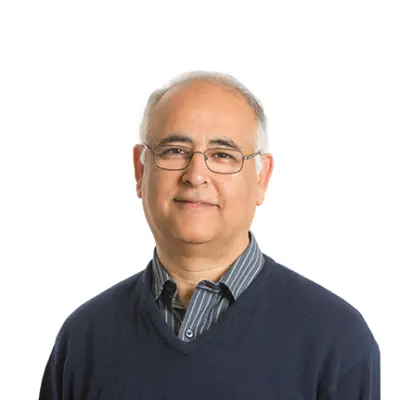 Imran KhanGastroenterologist
 -
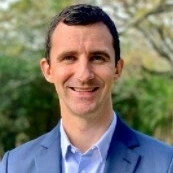 Peter Carr-BoydGeneral, Upper Gastrointestinal, Hepatobiliary and Pancreatic Surgeon
 -
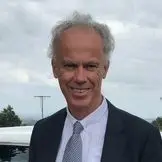 Philip AllenColorectal and General Surgeon
 -
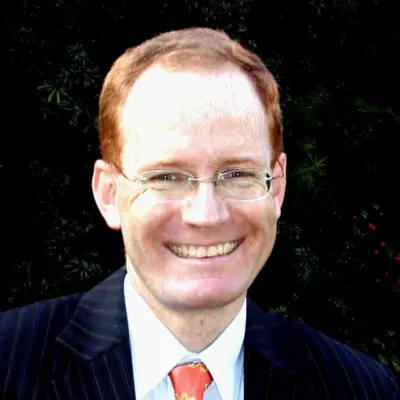 Julian HayesGeneral and Colorectal Surgeon
 -
 Alan FraserGastroenterologist
 -
 Elena RynikerGastroenterologist & Endoscopist
 -
 Helen MyintGastroenterologist
 -
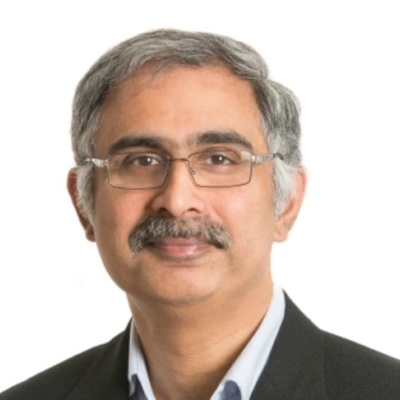 Itty Mathew Francis NadakkavukaranGastroenterologist and Endoscopist
-
 Maggie Chapman-OwGastroenterologist
 -
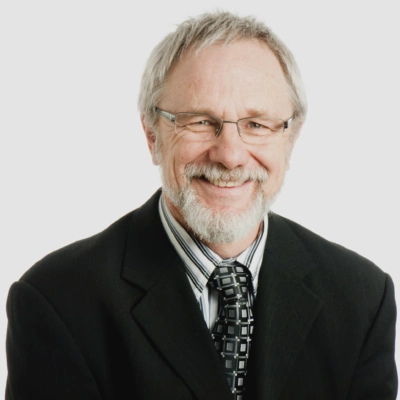 Mark LaneGastroenterologist
 -
 Toby RoseGastroenterologist
 -
 Philip WongGastroenterologist, Hepatologist, and Endoscopist
 -
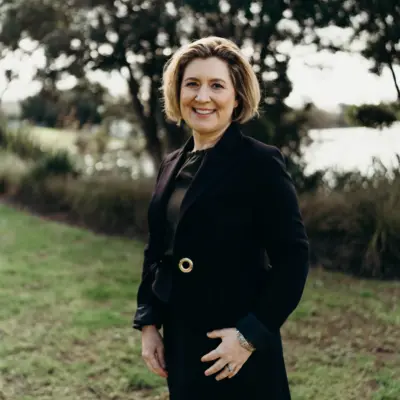 Zoe RaosGastroenterologist & Endoscopist
 -
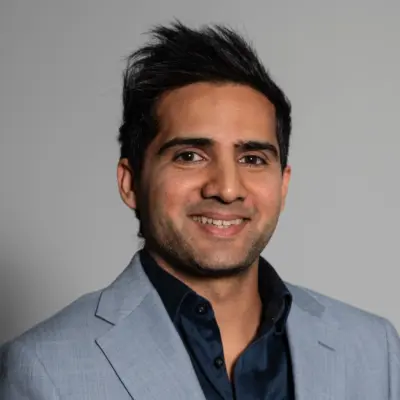 Jamish GhandiColorectal and General Surgeon, General Surgeon, Gastroenterologist
 -
 Charlotte DakerConsultant Gastroenterologist
 -
 Dominic Ray-Chaudhuri
 -
Endoscopy services