








What is Otolaryngology, Ear, Nose & Throat?
Otolaryngology, commonly known as Ear, Nose and Throat (ENT) or Head and Neck surgery, covers the diagnosis and treatment of conditions affecting the ears, nose, sinuses, throat, voice box, mouth, face, head and neck, including problems with breathing and swallowing.
Patients may be referred to an ENT specialist for hearing loss, ear infections, tinnitus, dizziness or vertigo, blocked ears, sinusitis, nasal blockage or a deviated septum. Additionally for allergies, nosebleeds, snoring, sleep apnoea, tonsillitis or enlarged tonsils, throat pain, hoarseness, voice changes, swallowing problems, neck lumps, salivary gland swelling, thyroid nodules, facial injuries or suspected head and neck cancer.
ENT care is common for both adults and children.
Your first appointment usually involves a discussion of your symptoms and an examination of the ears, nose, throat and neck. Depending on the problem, your specialist may arrange further assessment such as a blood test, hearing test, nasal endoscopy, laryngoscopy, biopsy, or imaging such as ultrasound, CT scan, or MRI scan.
Treatment is tailored to your diagnosis. Some conditions settle with medication or other non-surgical measures, while others are best managed with surgery, such as grommets, tonsillectomy and adenoidectomy, septoplasty and sinus surgery, sleep apnoea and ear surgery, thyroid and salivary gland surgery, facial reconstruction, or head and neck cancer surgery.
Your ENT team will explain the benefits, risks, recovery and follow-up in plain language so you can make an informed decision.
Otolaryngology, Ear, Nose & Throat Subspecialties
Otology and neurotology
Otology and neurotology
Otology and Neurotology covers the ear and balance system, from common problems such as ear infections, eardrum problems, hearing loss, tinnitus, ear wax and dizziness, through to more complex disease of the inner ear, hearing nerve and balance system.
Patients may present with vertigo, chronic ear disease, cholesteatoma, facial nerve problems or acoustic neuroma. Depending on the diagnosis, care may include hearing and balance assessment, grommets, eardrum repair, mastoid or other ear surgery, and hearing restoration with bone-anchored hearing devices or cochlear implant assessment.
Rhinology and sinus surgery
Rhinology and sinus surgery
Rhinology manages nose and sinus conditions such as blocked nose, sinusitis, nasal polyps, allergies, deviated septum, loss of smell, and nosebleeds.
Treatment may include nasal sprays, endoscopy, septoplasty, turbinate reduction or functional endoscopic sinus surgery to improve breathing, drainage and quality of life.
Laryngology and voice surgery
Laryngology and voice surgery
Laryngology focuses on the throat, voice box and upper airway. Patients may have hoarseness, voice strain, vocal cord nodules, reflux-related throat symptoms, swallowing problems, chronic cough or noisy breathing. Care may include flexible laryngoscopy, voice therapy, swallowing assessment, vocal cord injections, laser treatment or voice box surgery.
Head and neck surgery
Head and neck surgery
Head and neck surgery treats lumps, tumours and disorders in the mouth, throat, neck, salivary glands, thyroid, parathyroid, lymph nodes and skin of the head and neck. It includes assessment of neck lumps, biopsy, cancer surgery, reconstruction and close coordination with radiology, oncology, speech therapy and dietetics where needed
Paediatric ENT
Paediatric ENT
Paediatric ENT cares for babies, children and teenagers with ear, nose, throat, hearing, breathing and sleep problems. Common reasons include glue ear, recurrent ear infections, enlarged tonsils, adenoids, snoring, tongue tie, airway concerns and speech-related hearing issues. Treatment may include grommets, tonsillectomy or adenoidectomy.
Facial plastic and reconstructive surgery
Facial plastic and reconstructive surgery
This area treats functional, reconstructive and cosmetic problems of the face, nose and ears. Procedures may include rhinoplasty and septorhinoplasty, nasal valve surgery, facial injury repair, skin cancer reconstruction, scar revision, ear reshaping and facial nerve rehabilitation, aiming to restore breathing, appearance and confidence
Sleep medicine and sleep surgery
Sleep medicine and sleep surgery
ENT sleep specialists assess snoring and obstructive sleep apnoea, including a blocked nose, enlarged tonsils, tongue-base obstruction and airway collapse during sleep. Treatment may include lifestyle advice, nasal treatment, support with CPAP or oral appliances, and selected surgery to improve airflow, sleep quality and daytime alertness.
Skull base surgery
Skull base surgery
Skull base surgery manages complex tumours and conditions at the junction of the ear, nose and brain, often working alongside neurosurgery. This may include acoustic neuroma and other skull base lesions.
Frequently Asked Questions
What does an ENT surgeon do?
What does an ENT surgeon do?
An ENT surgeon, also called an Ear, Nose and Throat or Head and Neck surgeon, is trained to perform surgery on the ears, nose, sinuses, throat, voice box, mouth, face, head and neck, including operations to improve breathing, swallowing, hearing and sleep. They also provide medical treatment, minor procedures and hearing care when needed
What are common ENT operations?
What are common ENT operations?
Common ENT procedures include grommets, tonsillectomy, adenoidectomy, septoplasty, turbinate surgery, sinus surgery, ear surgery, eardrum repair, thyroid surgery, salivary gland surgery, sleep apnoea surgery, skin cancer reconstruction and head and neck cancer surgery.
Can children see an ENT specialist?
Can children see an ENT specialist?
Yes. Children commonly see ENT specialists for glue ear, hearing concerns, recurrent ear infections, tonsillitis, enlarged adenoids, snoring, blocked nose, speech-related hearing problems and airway concerns.
Do I always need surgery if I see an ENT specialist?
Do I always need surgery if I see an ENT specialist?
No. Many ENT conditions are treated without surgery using medicines, ear drops, injections, laser therapy, hearing aids, voice therapy, swallowing therapy or monitoring. Surgery is discussed only when it is likely to help.
What symptoms should I not ignore?
What symptoms should I not ignore?
Seek medical advice for sudden hearing loss, ongoing hoarseness, neck lump, trouble swallowing, coughing blood, severe nosebleeds, one-sided blocked nose, persistent ear pain, dizziness, breathing difficulty, unexplained weight loss or symptoms lasting more than a few weeks.
What tests might I need at an ENT appointment?
What tests might I need at an ENT appointment?
Tests may include ear examination, hearing and balance tests, nasal endoscopy, flexible laryngoscopy, allergy testing, blood tests, ultrasound, CT scan, MRI scan, biopsy or sleep study. Your specialist will choose tests based on your symptoms.
How can I prepare for my ENT appointment?
How can I prepare for my ENT appointment?
Bring your referral, medication list, allergies, previous scan or hearing test results, details of past operations and your main questions. Note how long symptoms have been present, what makes them better or worse, and any other concerning symptoms.
What is nasal endoscopy or flexible laryngoscopy?
What is nasal endoscopy or flexible laryngoscopy?
This is a quick clinic test using a thin camera to look inside the nose, throat or voice box. It helps diagnose sinus disease, nasal blockage, throat problems, voice changes, swallowing issues and possible tumours.
What are the risks of ENT surgery?
What are the risks of ENT surgery?
Risks vary by operation but may include bleeding, infection, pain, swelling, scarring, taste change, voice change, hearing change, dizziness, numbness, breathing problems, need for further surgery or anaesthetic risks. Your surgeon will explain your personal risks.
How long will I stay in hospital after ENT surgery?
How long will I stay in hospital after ENT surgery?
This depends on the procedure. Some operations are day surgery, such as grommets or minor nasal procedures. Larger ear, sinus, thyroid, airway or head and neck cancer operations may need one or more nights in hospital.
Our Otolaryngology, Ear Nose & Throat specialists
-
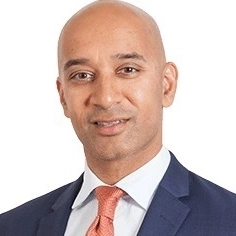 Rajan PatelOtolaryngologist, Head & Neck Surgeon
 -
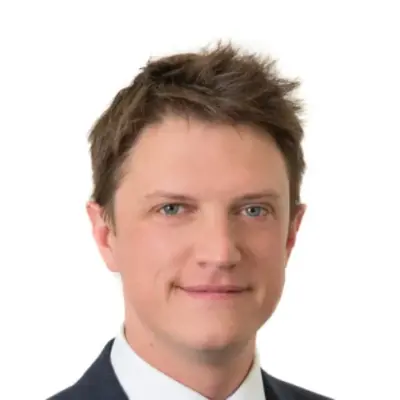 Kevin SmithOtolaryngologist, Head & Neck Surgeon
 -
 Kim GearOral Medicine Specialist
 -
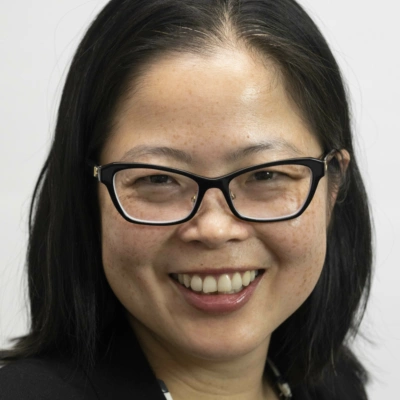 Michelle WongOtorhinolaryngologist
 -
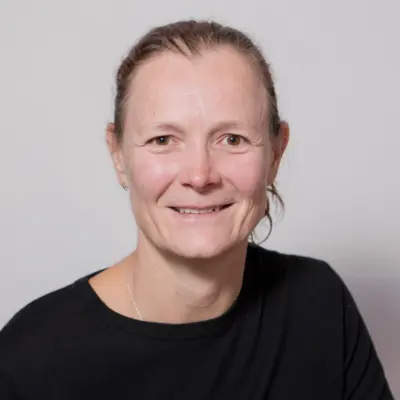 Jacqui AllenLaryngologist
 -
 Angus ShaoConsultant Otolaryngologist, Rhinologist, Rhinoplastic Surgeon
-
 Julian HollandOtolaryngologist
 -
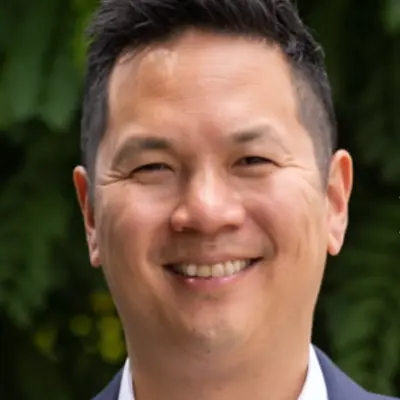 Ben ChanOtolaryngologist, Head and Neck Surgeon
 -
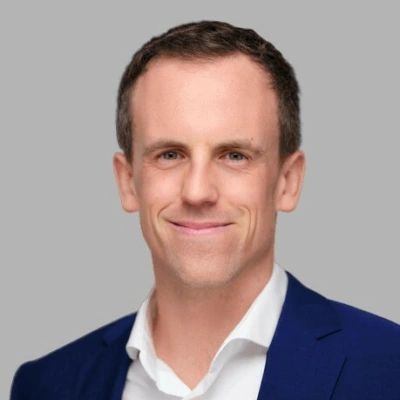 Nick LilicOtolaryngologist, Head & Neck Surgeon
 -
 Justin WongENT Surgeon
 -
 Craig McCafferPaediatric ORL Surgeon, Paediatric and Adult Otolaryngologist, Head and Neck Surgeon, Paediatric Otolaryngologist