











What is Urology?
Urology is a surgical specialty that deals with diseases of the male and female urinary tract and the male reproductive organs. A urologist is a specialist doctor trained in both surgical and non-surgical care of the kidneys, ureters, bladder, urethra, pelvic floor, prostate, testes and penis.
A patient may be referred to a urologist with symptoms such as blood in the urine, recurrent urinary tract infections, a weak urine stream, needing to pass urine often or at night, urinary leakage, loin pain, a testicular lump or erectile dysfunction. Referral may also follow a known or suspected diagnosis, such as a raised PSA, a kidney stone, or a kidney or bladder mass found on a scan.
Your assessment may include a physical examination, urine and blood tests, a urine flow test, ultrasound, CT or MRI scan, flexible cystoscopy or urodynamic testing. Your urologist may also discuss your care with other specialists, such as radiologists, oncologists, gynaecologists and physiotherapists. Treatment does not always mean surgery. Many patients are managed with monitoring, medicines, physiotherapy or lifestyle changes before surgery is considered.
When surgery is recommended, the aim is usually to diagnose or remove a cancer, clear a blockage, remove stones, improve urine flow or bladder control, repair the pelvic floor, relieve pain or protect kidney function. Many procedures are day cases or keyhole procedures. Some major cancer operations may be done laparoscopically or with robotic assistance and need a longer hospital stay. Your urologist will explain the expected benefits, risks, recovery time and follow-up plan in language you can understand.
Urology Subspecialties
General Urology
General Urology
General urology treats common urinary and genital conditions in men and women, including blood in the urine, recurrent urinary tract infections, urethral stricture, urethral diverticulum, foreskin problems and conditions such as hydrocele, epididymal cysts and varicocele. Care may include urine tests, scans and cystoscopy. Procedures may include cystoscopy and biopsy, urethral dilatation or reconstruction, circumcision, hydrocele repair, epididymal cyst excision and orchidopexy.
Urologic Oncology
Urologic Oncology
Urologic oncology treats cancers of the kidney and bladder in men and women, as well as prostate and testicular cancer. Care may include active surveillance, prostate biopsy, TURBT, radical prostatectomy, partial or radical nephrectomy and orchidectomy. Laparoscopic or robotic-assisted surgery may be used where appropriate. Treatment is often planned with oncologists and a multidisciplinary cancer team.
Endourology and Kidney Stone Disease
Endourology and Kidney Stone Disease
Endourology uses small cameras and instruments passed through the urinary tract to treat stones and blockages in the kidney, ureter and bladder. Procedures may include ureteroscopy, laser stone treatment, bladder stone removal, ureteric stent insertion and removal, and percutaneous kidney stone surgery. Advice on fluid intake, diet and preventive medicines helps reduce the risk of new stones.
Prostate and Bladder Outlet Surgery
Prostate and Bladder Outlet Surgery
This area treats non-cancerous prostate enlargement in men, which can cause a weak stream, frequent urination, night-time urination and urinary retention. Treatment may include monitoring, medicines, TURP, laser prostate surgery or other minimally invasive prostate procedures. The aim is to improve urine flow, sleep, comfort and long-term bladder health.
Functional Urology
Functional Urology
Functional urology treats problems with how the bladder stores and empties urine in women and men. These include stress and urge incontinence, overactive bladder, bladder pain syndrome, incomplete emptying and incontinence after prostate surgery. Assessment often includes urodynamic testing. Treatment may include pelvic floor physiotherapy, bladder training, medicines, bladder Botox injection, urethral bulking injections, colposuspension, sling surgery and artificial urinary sphincter surgery.
Urogynaecology
Urogynaecology
Urogynaecology treats pelvic floor conditions in women, including pelvic organ prolapse and complications from previous pelvic surgery. Treatment may include pelvic floor physiotherapy, pessaries, prolapse repair, and insertion or removal of vaginal mesh or mesh slings. Care is often coordinated with gynaecologists and pelvic floor physiotherapists.
Andrology and Men's Health
Andrology and Men's Health
Andrology focuses on male reproductive and sexual health, including erectile dysfunction, Peyronie's disease, testicular pain, low testosterone, male infertility and contraception. Treatment may include lifestyle advice, medicines, hormone assessment, vasectomy, vasectomy reversal or other surgery, depending on the cause and the patient's goals.
Frequently Asked Questions
What does a urologist do?
What does a urologist do?
A urologist diagnoses and treats conditions affecting the urinary system in women and men, including the kidneys, ureters, bladder and urethra. They also treat conditions affecting the male reproductive system, including the prostate and testes, using both non-surgical and surgical treatments.
Do urologists treat women as well as men?
Do urologists treat women as well as men?
Yes. Urologists treat urinary problems in all genders, including urinary tract infections, bladder pain, kidney stones, urinary incontinence, overactive bladder, pelvic organ prolapse and blood in the urine.
When should I see a urologist?
When should I see a urologist?
You may need a urology appointment for blood in urine, recurrent UTI, kidney stones, bladder leakage, weak urine flow, prostate symptoms, testicular pain, erectile dysfunction, infertility or suspected urologic cancer.
Will I need surgery?
Will I need surgery?
Not always. Many urology conditions are treated with medicines, lifestyle changes, bladder training, pelvic floor therapy, stone prevention, monitoring or minor procedures. Surgery is recommended only when the expected benefits outweigh the risks.
What tests are common in urology?
What tests are common in urology?
Common tests include urine tests, blood tests, PSA test, kidney function tests, ultrasound, CT scan, MRI scan, cystoscopy, bladder scan, urodynamics, prostate biopsy or bladder biopsy.
What is a cystoscopy?
What is a cystoscopy?
A cystoscopy is a test where a thin camera is passed through the urethra to look inside the bladder. It can help investigate bleeding, infections, bladder pain, stones, tumours or urinary symptoms.
Are kidney stones dangerous?
Are kidney stones dangerous?
Kidney stones can be very painful and may block urine flow. Some pass on their own, but urgent care is needed if you have fever, severe pain, vomiting, one kidney or trouble passing urine.
Does blood in urine always mean cancer?
Does blood in urine always mean cancer?
No. Blood in urine can be caused by infection, stones, prostate problems, exercise, medicines or kidney disease. However, it should be checked because bladder cancer, kidney cancer or prostate cancer can also cause bleeding.
What can I do to support bladder and kidney health?
What can I do to support bladder and kidney health?
Drink fluids as advised, avoid smoking, manage diabetes and blood pressure, reduce bladder irritants if they worsen symptoms, treat infections early, attend follow-up appointments and ask about stone or cancer prevention if relevant.
What should I bring to my urology appointment?
What should I bring to my urology appointment?
Bring your referral, medication list, allergies, previous scan results, operation notes, urine test results, symptom diary, continence pad information if relevant, and questions about diagnosis, treatment options, recovery and follow-up.
Our Urology specialists
-
 Nadya YorkUrologist
-
 Vincent ChanUrologist
-
 Anna LawrenceUrologist
-
 John TuckeyUrologist
-
 Mischel NeillUrologist
-
 Tony BeavenUrologist
-
 Jason DuUrologist
-
 Eva FongUrologist
-
 Madhu KoyaUrologist
-
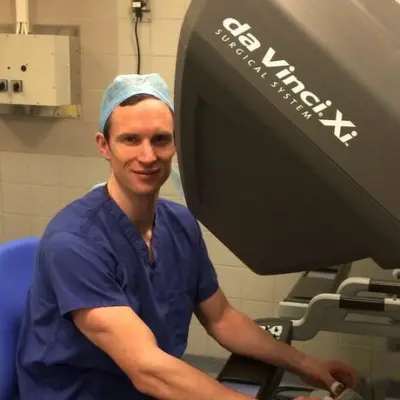 Simon van RijUrologist
-
 Andrew WilliamsUrologist
-
 Andrew LienertUrologist
-
 Sum Sum LoUrologist
-
 Sumeet ReddyUrologist
-