



Neurosurgery at Allevia Hospitals
Neurosurgery is the surgical specialty that diagnoses, treats and manages conditions affecting the brain, spine, spinal cord and nerves.
A neurosurgeon is a specialist doctor trained in both surgery and non-surgical care for problems involving the central nervous system and peripheral nervous system.
Although many people think neurosurgery means “brain surgery,” it also includes spine surgery, nerve surgery, skull base surgery, treatment for brain tumours, stroke-related blood vessel problems, spinal disc disease, trauma, pain and movement disorders.
A patient may be referred to a neurosurgeon with symptoms such as severe back pain, neck pain, sciatica, arm or leg weakness, numbness, headaches, seizures, dizziness, balance problems or memory changes. Referral may also follow diagnosis of a known or suspected condition, such as a brain or spinal tumour, aneurysm, hydrocephalus, nerve compression, or a head or spinal injury.
Your assessment may include a neurological examination, MRI scan, CT scan, X-ray, nerve conduction study, blood tests or discussion with other specialists such as neurologists, oncologists, radiologists, rehabilitation doctors and physiotherapists.
Treatment does not always mean surgery. Many patients are treated with monitoring, medicines, physiotherapy, injections, rehabilitation, lifestyle changes or pain management before surgery is considered.
When surgery is recommended, the aim is usually to protect the brain, spine or nerves; remove pressure; treat bleeding or abnormal blood vessels; remove a tumour; stabilise the spine; reduce pain; improve movement; or prevent worsening symptoms.
Common Neurosurgery procedures
Common neurosurgery procedures include:
- craniotomy
- brain tumour surgery
- spinal decompression
- discectomy
- laminectomy
- spinal fusion
- aneurysm clipping
- endovascular treatment
- shunt surgery
- deep brain stimulation
- epilepsy surgery
- peripheral nerve decompression.
Some operations are minimally invasive or keyhole procedures, while complex brain, spine or skull base surgery may require a longer hospital stay. Your neurosurgical team will explain the expected benefits, risks, recovery time and follow-up plan in language you can understand.
Traditional Neurosurgery Subspecialties
General neurosurgery and neuro-oncology: General neurosurgery covers common brain, spine and nerve conditions, including head injury, spinal pain, nerve compression, hydrocephalus, brain bleeding, and benign or cancerous brain and spinal tumours. Care may include scans, monitoring, medicines, biopsy, craniotomy, tumour removal or image-guided surgery, often alongside oncologists, radiologists, and rehabilitation teams.
Spine neurosurgery: Spine neurosurgery treats problems involving the neck, back, spinal cord, spinal nerves and vertebrae. Common conditions include herniated disc, sciatica, spinal stenosis, spinal cord compression, spine fractures, spinal tumours and degenerative disc disease. Procedures may include discectomy, laminectomy, decompression, minimally invasive spine surgery and spinal fusion.
Cerebrovascular and endovascular neurosurgery: Cerebrovascular neurosurgery treats blood vessel problems in the brain and spinal cord, including aneurysm, arteriovenous malformation, cavernoma, and narrowed vessels. Treatment may include monitoring, microsurgery, aneurysm clipping, bypass surgery, embolisation, coiling or stenting.
Skull base neurosurgery: Skull base neurosurgery treats tumours and other conditions deep at the base of the brain, near important nerves and blood vessels. Conditions include acoustic neuroma, meningioma, pituitary tumour, chordoma and cerebrospinal fluid leak. Surgery may use microsurgery, endoscopy, keyhole approaches and close teamwork with ENT surgeons.
Functional neurosurgery: Functional neurosurgery treats conditions caused by abnormal brain or nerve signals, such as Parkinson’s disease, essential tremor, dystonia, severe pain, spasticity and epilepsy that continues despite anti-seizure medicines. Following careful specialist assessment, treatment may include deep brain stimulation, epilepsy surgery, lesioning procedures, or nerve stimulators.
Peripheral nerve surgery: Peripheral nerve surgery treats nerves outside the brain and spinal cord. Patients may have carpal tunnel syndrome, ulnar nerve compression, nerve injury, nerve tumours, brachial plexus injury, foot drop or pain from trapped nerves. Treatment may include nerve release, nerve repair, nerve grafting, or tumour removal.
Common Questions about Neurosurgery
What does a neurosurgeon do?
What does a neurosurgeon do?
A neurosurgeon diagnoses and treats conditions affecting the brain, spine, spinal cord and nerves. Treatment may include advice, monitoring, medicines, injections, rehabilitation or surgery, depending on your symptoms, scan results and overall health.
Does seeing a neurosurgeon mean I need brain surgery?
Does seeing a neurosurgeon mean I need brain surgery?
No. Many people see a neurosurgeon for spine pain, nerve compression, headaches, scans, tumours, injuries or symptoms that need specialist review. Surgery is only recommended when the expected benefit outweighs the risks.
What symptoms should be checked urgently?
What symptoms should be checked urgently?
Seek urgent medical help for sudden weakness, face droop, severe headache, seizure, loss of consciousness, new confusion, worsening balance, loss of bladder or bowel control, major head injury, severe back pain with leg weakness, or rapidly worsening numbness.
What tests might I need before neurosurgery?
What tests might I need before neurosurgery?
ests may include MRI scan, CT scan, X-ray, angiogram, blood tests, nerve conduction study, EEG, vision tests, memory tests or a neurological examination. Your team will choose the safest tests for your condition.
What are common neurosurgery operations?
What are common neurosurgery operations?
Common procedures include craniotomy, brain tumour surgery, spinal decompression, discectomy, laminectomy, spinal fusion, aneurysm clipping, endovascular coiling, shunt surgery, deep brain stimulation, epilepsy surgery and peripheral nerve decompression.
What are the risks of neurosurgery?
What are the risks of neurosurgery?
Risks depend on the operation and your health. Possible risks include bleeding, infection, blood clots, stroke, seizures, nerve injury, weakness, numbness, pain, memory or speech changes, spinal fluid leak, anaesthetic risks and need for further treatment.
How long will I stay in hospital?
How long will I stay in hospital?
Hospital stay varies. Some minimally invasive spine or nerve procedures may be day surgery or one night. Complex brain, spine, trauma or tumour surgery may require several days, intensive care monitoring or rehabilitation.
How long is recovery after neurosurgery?
How long is recovery after neurosurgery?
Recovery after neurosurgery depends on the condition, procedure and your general health. Some people return to light activity within weeks, while major brain or spine surgery may take months and include physiotherapy, occupational therapy, pain management and follow-up scans.
Can neurosurgery be minimally invasive?
Can neurosurgery be minimally invasive?
Yes, some neurosurgical procedures use small incisions, endoscopes, microscopes, navigation, keyhole approaches or image guidance. Minimally invasive neurosurgery may reduce tissue disruption, pain and recovery time, but it is not suitable for every condition.
How can I prepare for my neurosurgery appointment?
How can I prepare for my neurosurgery appointment?
Bring your referral, scan reports, medication list, allergies, previous operation details and questions. Tell your team about blood thinners, diabetes, smoking, sleep apnoea, pregnancy, new symptoms and what matters most to your recovery.
Our Neurosurgery specialists
-
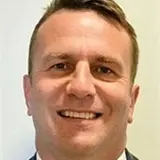 Andrew LawNeurosurgeon & Spinal Surgeon
 -
 Peter HeppnerNeurosurgeon
 -
 Patrick SchwederNeurosurgeon
 -
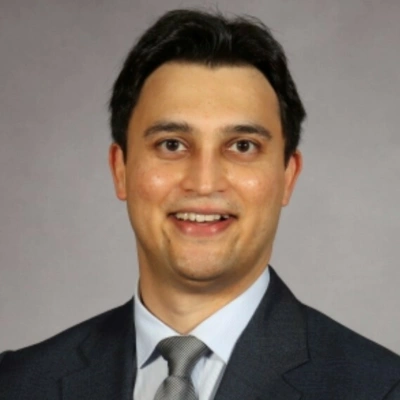 Jason CorreiaNeurosurgeon
-
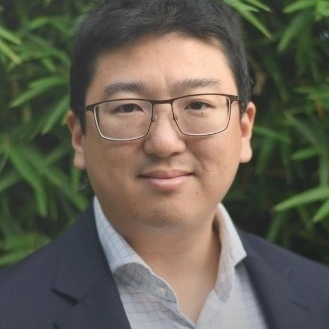 Lawrence ChoiNeurosurgeon
 -
 Chien KowNeurosurgeon
 -
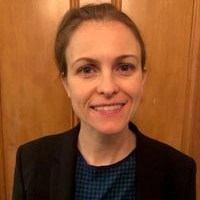 Dr. Phoebe (Brie) MatthewsNeurosurgeon